


 Plan your Trip france
Mapping out a European adventure for 2026 demands careful financial preparation. Unexpected fees can drain your savings quickly if you fail to plan.
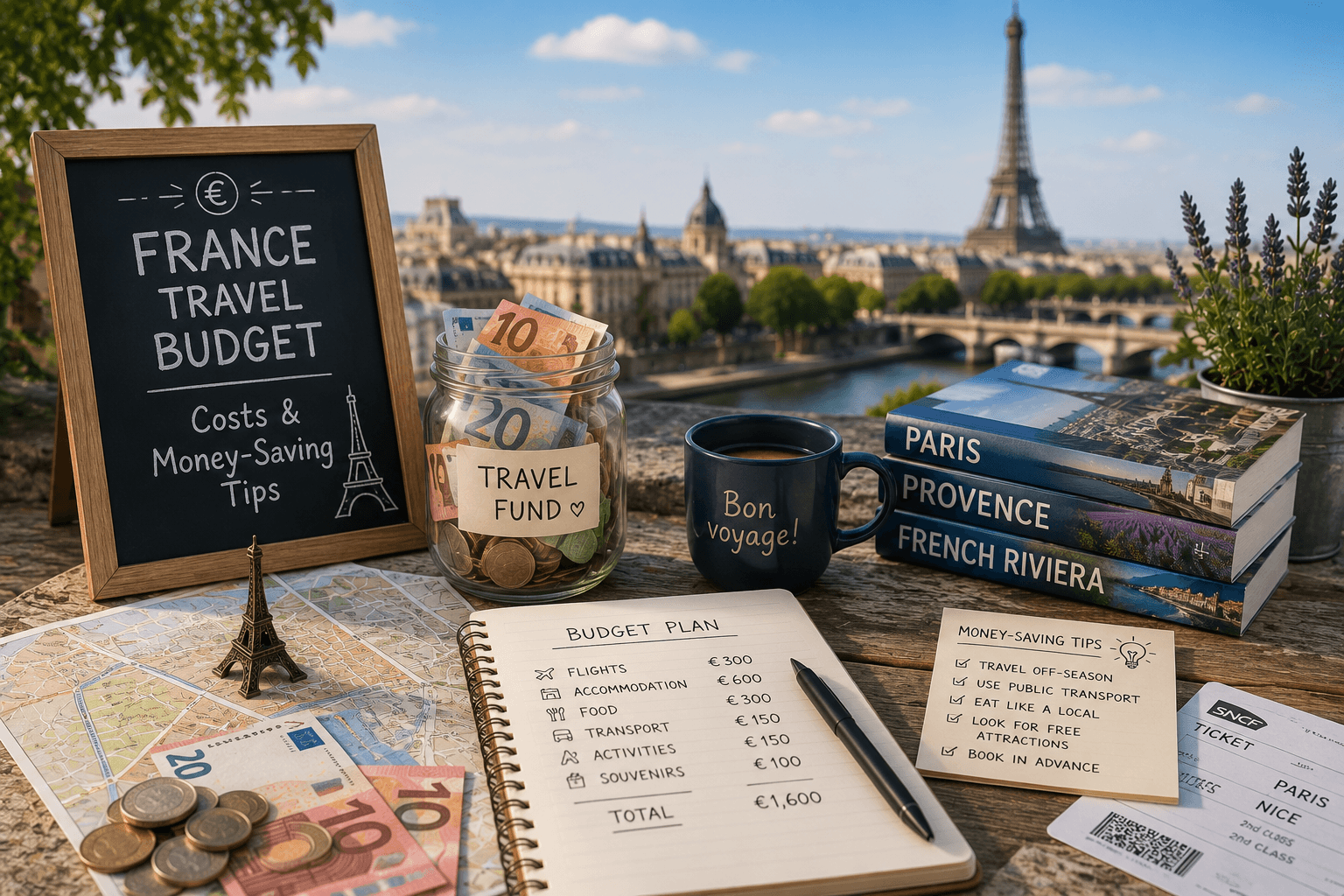
Drafting a reliable France Travel Budget: Costs and Money-Saving Tips serves as your primary defense against overspending during your European journey. This straightforward analysis breaks down daily expenditures and shares direct ideas to preserve your cash.
France Travel Budget: Costs and Money-Saving Tips
Smart travel begins with knowing exactly where your cash goes. Lodging and food typically consume the largest portion of any holiday fund.
Strict adherence to a realistic France Travel Budget: Costs and Money-Saving Tips keeps you from wasting cash on overpriced tourist traps and excessive luxury hotels.
Clever Lodging Choices
Where you sleep represents the single largest daily cost for most travelers. In Paris, a standard mid-range hotel room averages 180 Euros per night. Meanwhile, boutique options in smaller cities like Toulouse or Strasbourg typically cost closer to 90 Euros.
Opting for short-term flat rentals or local hostels can significantly lower these accommodation outlays. Staying in residential neighborhoods outside the immediate city center reduces costs. It also offers a more authentic taste of local life.
- Book lodging at least four months in advance to secure the lowest rates.
- Look for apart-hotels featuring kitchenettes to save on daily meal preparation.
- Use local house-sitting networks or neighborhood hostels for cheap lodging alternatives.
Culinary Expenses and Local Markets
Dining out in major French cities can quickly balloon your expenses. A standard three-course lunch menu at a local bistro usually costs between 15 and 25 Euros. However, dinner at a mid-range restaurant often starts at 40 Euros per person.
Browsing local open-air markets is an excellent way to enjoy high-quality French ingredients without paying high restaurant prices. These markets offer fresh baguettes, cheeses, and cold meats at a fraction of the cost of sit-down meals.
Eating like a local lets you respect your France Travel Budget: Costs and Money-Saving Tips while savoring legendary culinary traditions.
- Purchase daily lunch specials, known as the menu du jour, which are much cheaper than ordering a la carte.
- Avoid dining at cafes located right next to major tourist monuments where prices are heavily marked up.
- Fill reusable bottles at public water fountains instead of buying expensive bottled water at tourist kiosks.
How to Stretch Your France Travel Budget: Costs and Money-Saving Tips
Moving across the country and visiting its famed sights can cost a fortune without prior preparation.
Smart choices regarding trains and buses protect your France Travel Budget: Costs and Money-Saving Tips from sudden spikes in transportation costs.
Clever Transit Choices
Regional transit requires early booking to avoid hefty fare increases. The high-speed rail network, known as the TGV, offers rapid transit. However, tickets purchased on the day of departure can cost double the price of early bookings.
Regional trains and long-distance buses present slower but highly economical alternatives for budget-conscious travelers. Using local metro and bus networks in Paris, Lyon, or Marseille costs far less than relying on taxi services or ride-hailing apps.
- Purchase train tickets up to four months (120 days) in advance when the cheapest fares are first released by SNCF.
- Buy multi-trip transit passes, such as the Navigo Easy card in Paris, to reduce the cost of individual rides.
- Use regional bus lines like FlixBus for intercity travel when train tickets exceed your daily spending limits.
Attractions and Sightseeing
Entry fees for famous museums and historic monuments add up fast over a multi-week vacation. Admission to the Louvre Museum costs 22 Euros. Meanwhile, entry to the Palace of Versailles starts at 21 Euros for basic access.
Many state-run museums offer free entry on the first Sunday of every month, which helps thrifty travelers save money. Buying regional museum passes grants access to multiple sites at a heavily discounted rate.
Walking tours and public parks provide superb entertainment that costs nothing. Cities like Bordeaux and Nice feature beautiful public gardens and historic quarters that are entirely free to explore.
Exploring grand architecture and royal palaces works beautifully when you align your itinerary with a smart France Travel Budget: Costs and Money-Saving Tips.
Summary Table for France Travel Budget: Costs and Money-Saving Tips
Keeping your spending under control requires a balance between early preparation and smart daily habits.
Sticking to a structured France Travel Budget: Costs and Money-Saving Tips allows you to explore historic cities without lingering financial anxiety. Prioritizing local markets, booking transit early, and selecting smart lodging options will make your money go much further.
| Expense Category | Estimated Daily Cost | Top Money-Saving Tip |
|---|---|---|
| Lodging | 90 to 180 Euros | Book 4 months early or choose apart-hotels |
| Dining | 15 to 40 Euros | Enjoy local markets and the menu du jour |
| Transit | 5 to 30 Euros | Buy SNCF train tickets up to 120 days ahead |
| Attractions | 0 to 22 Euros | Visit on free Sundays or buy museum passes |


Comments are closed