


 Architecture
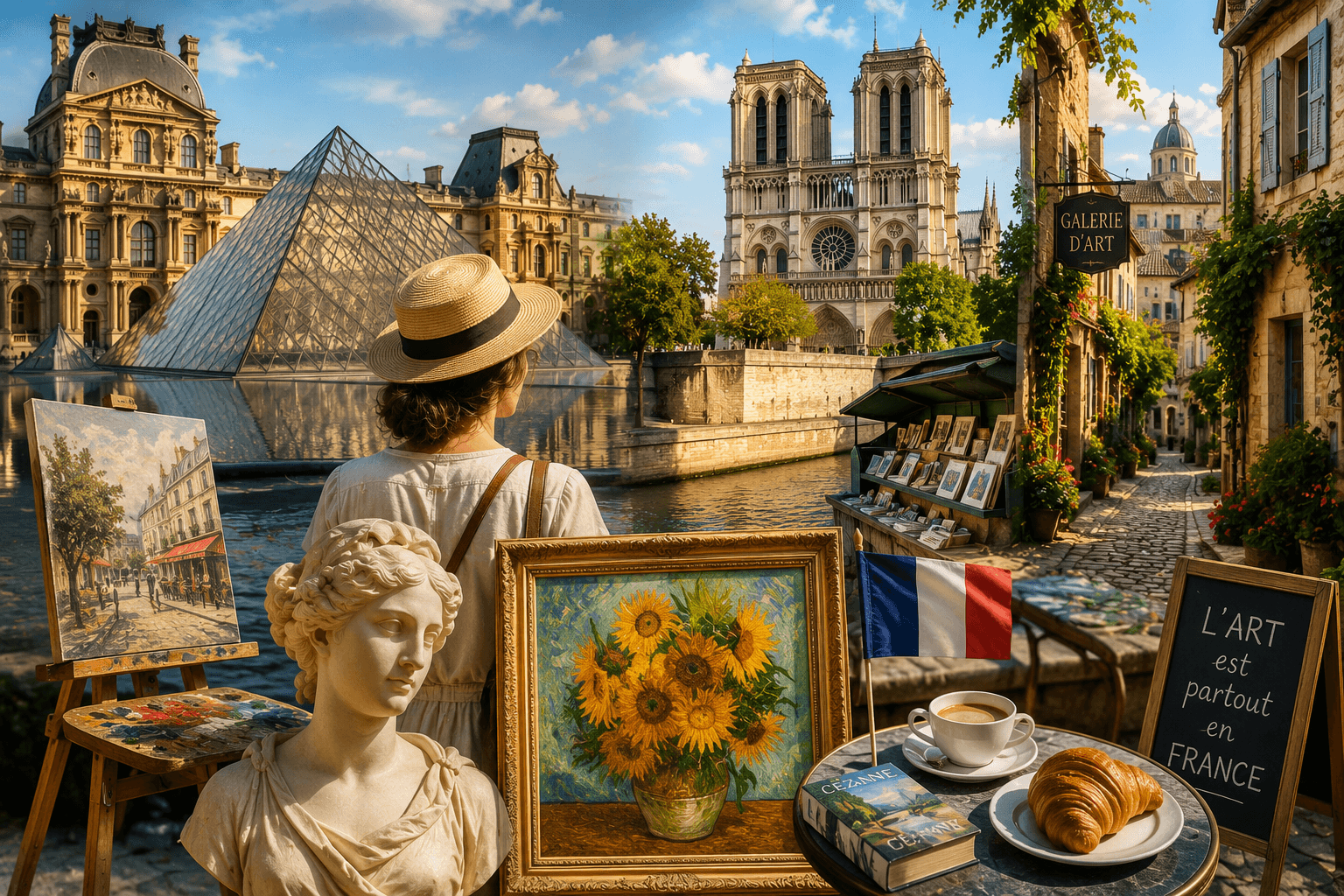
France remains the most visited country on the globe, welcoming millions of international travelers every year. This massive popularity comes from the chance to Explore France’s Rich Artistic and Cultural Heritage across historic towns and quiet rural landscapes. Curious travelers walk away with a deep grasp of the major movements that shaped Western art.
This detailed 2026 handbook offers a clear path to navigate the nation’s premier galleries, historic landmarks, and regional hidden spots.
Why You Must Explore France’s Rich Artistic and Cultural Heritage
French art history stretches all the way from early cave drawings in Lascaux to the bold experiments of Impressionism and Cubism. When travelers decide to Explore France’s Rich Artistic and Cultural Heritage, they link directly with centuries of human self-expression. Standing in these physical spaces builds a connection to history that no schoolbook can match.
The French government actively funds the protection of over forty-five thousand registered historical structures. This heavy national spending ensures that visitors find carefully restored sites that retain their true history. These locations serve as open-air classrooms for travelers, showing off a magnificent legacy.
How to Explore France’s Rich Artistic and Cultural Heritage in Paris
Paris is the clear center of national culture, home to some of the largest art collections on earth. The Louvre Museum alone displays more than thirty-five thousand works across seventy-three thousand square meters. To escape the worst crowds, focus on specific wings like Richelieu for French statues or Sully for medieval ruins.
Outside the Louvre, the Musée d’Orsay offers a superb transition into modern art. This converted train station holds the largest collection of Impressionist and Post-Impressionist works on earth, including key pieces by Claude Monet, Vincent van Gogh, and Paul Cézanne. The building itself stands as an industrial design marvel from the 1900 World’s Fair.
To see a wider side of Paris, travelers should use organized cultural routes. A selected list of key Parisian institutions offers an excellent starting point.
- The Musée de l’Orangerie: Set in the Tuileries Gardens, this site features Claude Monet’s massive Water Lilies murals inside custom oval rooms.
- The Centre Pompidou: While its iconic high-tech building is closed for a major renovation starting in 2025/2026, its massive modern art collection—the largest in Europe—remains accessible through various off-site exhibitions and international partnerships.
- The Musée Rodin: Located in the sculptor’s former home, this spot displays famous pieces like The Thinker in a quiet garden.
Regional Sites to Explore France’s Rich Artistic and Cultural Heritage
Heading outside the capital reveals different regional identities that shaped the nation. The Loire Valley offers a dense concentration of Renaissance buildings, boasting over three hundred historic castles. These grand estates show the royal court’s move toward Italian styles in the sixteenth century.
The Château de Chambord, ordered by King Francis I in 1519, shows the deep effect of Italian Renaissance design on French crafts. Visitors can study the transition from cold medieval forts to beautiful pleasure palaces. This region highlights the artistic past of the land in great detail.
In the south, the clear light of Provence drew famous painters during the nineteenth and twentieth centuries. These southern landscapes offer a rare chance to Explore France’s Rich Artistic and Cultural Heritage through the eyes of master artists. Towns like Arles and Aix-en-Provence protect the exact spots where Vincent van Gogh and Paul Cézanne painted their most famous works.
Smart Ways to Explore France’s Rich Artistic and Cultural Heritage
Getting the most out of a cultural trip takes careful planning and organization. Using regional museum passes, like the Paris Museum Pass, gives limitless entry to over fifty landmarks and museums while saving money. These passes also mean you skip the long ticket lines.
Try to schedule visits to major museums during late-night openings, which typically occur on Friday evenings. These evening hours see fewer crowds, allowing for quiet reflection. Hiring certified local guides gives you deep context that simple museum signs omit.
This checklist helps you prepare for a culturally focused route in 2026.
- Secure timed entry tickets: Always book entry slots at least three weeks early for high-demand locations.
- Download official museum apps: Use mobile guides to get detailed maps and audio clips about key works.
- Plan travel early: Use the fast TGV train network to connect major cultural hubs quickly.
A Modern Way to Explore France’s Rich Artistic and Cultural Heritage
Modern cultural travel increasingly focuses on digital preservation and green options. Virtual reality shows now let visitors see historic sites exactly as they looked in their glory days. This technology builds a bridge between history and modern learning.
The Atelier des Lumières in Paris shows this shift by projecting digital versions of classic art onto industrial walls. This unique format introduces historic works to a younger, tech-savvy audience. It works alongside traditional galleries to offer a different kind of sensory experience.
As you plan your 2026 travels, prepare to Explore France’s Rich Artistic and Cultural Heritage with deep curiosity and a mindful eye. This path ensures a memorable trip that stays with you long after you return home.


Comments are closed